
The Ultimate Cypriot Meze Guide: How to Eat Like a Local in Cyprus
When planning a culinary journey to Cyprus, indulging in the traditional meze feast is an experience that should not be missed. This guide aims to provide an in-depth exploration of Cypriot meze, highlighting the intricacies of each course, the cultural customs involved, and recommendations for hidden gems that offer an authentic local dining experience.
Dining in Cyprus transcends the mere act of eating; it is often a leisurely social affair characterized by communal sharing and an abundance of flavors. Unlike many beachfront restaurants that serve quick, standardized platters, visiting a genuine village taverna unveils a deeper understanding of Cypriot cuisine. Here, diners can expect to enjoy an array of 15 to 30 small dishes, each thoughtfully prepared and brought to the table in succession, allowing for a relaxed and immersive dining experience that can unfold over several hours.
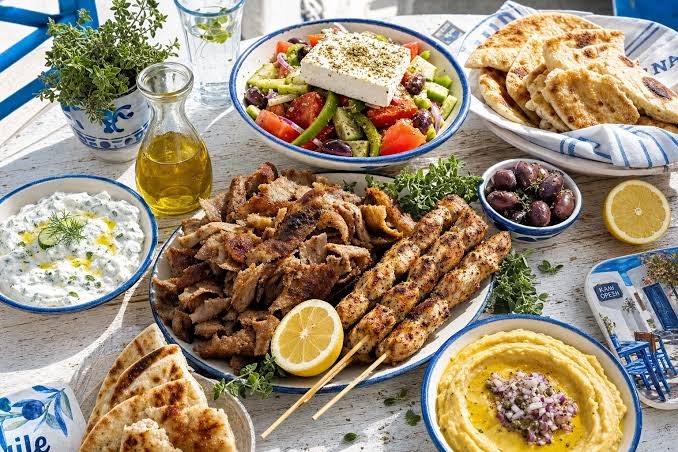
A typical meze meal begins with a variety of dips, such as hummus, tzatziki, and a smoky eggplant puree known as babaganoush, served with warm, fluffy pita bread. Following these starters, patrons might savor vibrant salads featuring fresh tomatoes, cucumbers, and olives, often drizzled with local olive oil and herbs.
As the meal progresses, diners are treated to an assortment of savory dishes, including grilled and fried delicacies such as halloumi cheese, crispy calamari, and succulent lamb or pork kebabs. Many tavernas pride themselves on serving seasonal vegetables, prepared simply yet effectively, alongside hearty staples like pilaf or roasted potatoes.
Through this culinary experience, you'll not only taste the stunning diversity of Cypriot flavors but also immerse yourself in the customs that accompany the meze tradition. Meals are often accompanied by lively conversation, laughter, and, in many cases, traditional music that enhances the ambiance.
To ensure you experience the true essence of Cypriot meze, seek out lesser-known venues that have stood the test of time, where locals gather to enjoy simple yet delicious food. These hidden gems often boast family recipes passed down through generations, offering a taste of authentic Cypriot hospitality and a glimpse into the island's rich culinary culture.
Understanding the Structure of a Traditional Cypriot Meze
A well-crafted meze showcases an unspoken yet harmonious progression of flavors and textures that elevates the dining experience. Each dish is thoughtfully curated to guide your palate through a journey, ensuring that every bite complements the next. Mastering this structure is essential; it lets you savor each delicacy without feeling rushed or overwhelmed, so you still have an appetite for the most exquisite dishes to come.
1. The Cold Openers: Dips and Fresh Bread
As soon as you take your seat, a tantalizing array of warm, charred pita bread is placed on your table, its golden exterior inviting you to tear off a piece. Alongside, crisp flatbreads boast a satisfying crunch, while generous bowls brim with a wide variety of marinated green and black olives, their glossy surfaces glistening temptingly.
Prepare your senses for an explosion of flavors as vibrant dips grace the table. Delight in the tangy tzatziki, a creamy blend of strained yogurt, refreshing cucumber, and a hint of garlic that dances on your palate. Savor the nutty richness of tahini, a smooth paste made from ground sesame seeds that adds depth to each bite.
Don’t miss the velvety pink taramosalata, an exquisite dip made from cured fish roe that melts in your mouth and offers a delicate brininess. And for those who enjoy a bit of heat, the spicy tyrokafteri beckons; a whipped feta dip infused with roasted chili peppers, its fiery notes adding a bold kick to the experience. Each element beautifully complements the others, creating a feast for both the eyes and the taste buds.
2. The Cyprus Village Salad (Choriatiki)
Alongside the dips comes a massive bowl of Choriatiki—vine-ripened local tomatoes, crisp cucumbers, thinly sliced red onions, green peppers, pickled caper leaves, and a thick block of fresh goat and sheep's milk feta sprinkled with wild mountain oregano and extra virgin olive oil.
3. Fried and Pan-Seared Delights
Next, hot appetizers start arriving. You will enjoy thick slices of grilled Halloumi served sizzling with fresh lemon juice, crisp Sheftalia (spiced minced pork and lamb sausage wrapped in caul fat), and Koupes (crispy bulgur wheat croquettes packed with seasoned meat and pine nuts).
4. Slow-Cooked Clay Oven Classics
As the table fills, comfort foods cooked over low heat arrive. Highlights include Kleftiko (succulent lamb slow-roasted on the bone inside sealed clay ovens for 8+ hours until falling off the bone), Afelia (tender pork cubes braised in red wine and coarsely crushed coriander seeds), and layers of rich Moussaka.
5. Charcoal-Grilled Mains and Sweets
The finale features smoky, charcoal-grilled skewers of pork or chicken souvlaki and spicy sausage (loukaniko). Just when you think you cannot take another bite, the meal ends with fresh seasonal fruits like watermelon and melon, paired with honey-soaked loukoumades (crispy mini donuts) or spoon sweets (glyka tou koutaliou).
Top 3 Rules for Tavern Etiquette in Cyprus
To get the most out of your feast, keep these three golden rules in mind:
- Pace Yourself Wisely: The biggest mistake visitors make is eating too much bread and dip during the first 15 minutes. Remember that heavy meat courses will keep coming for over an hour!
- Order for the Table: Meze is strictly designed for sharing family-style. Rather than ordering individual dishes, state how many meze portions your group wants (most tavernas require a minimum of 2 people).
- Head Inland: The absolute best meze spots are situated 10 to 15 minutes away from coastal tourist strips, nestled inside hillside mountain villages.
Explore More Cyprus Food Culture
Planning your full food itinerary? Check out our detailed eating in Cyprus hub for a region-by-region breakdown. If you are heading to the coast, make sure to read our breakdown of essential seafood taverns in Cyprus, or catch up on local dining tips on the CyprusBites blog.
Frequently Asked Questions About Cypriot Meze
What is the difference between Greek and Cypriot meze?
Greek meze traditionally refers to a variety of small appetizers that are served alongside alcoholic beverages such as Ouzo or Tsipouro. These small dishes are meant to complement drinks and provide a taste of different flavors and textures, making for a leisurely dining experience. In contrast, Cypriot meze is a much grander culinary affair, structured as a multi-course feast that often serves as a replacement for a full lunch or dinner.
A typical Cypriot meze consists of an impressive array of between 15 to 30 distinct dishes, each showcasing the rich culinary heritage of Cyprus. This feast is not just about quantity; it highlights the island's iconic regional specialties. For instance, halloumi—a beloved semi-hard cheese known for its unique texture and flavor—often takes center stage, sometimes served grilled and paired with a variety of dips. Sheftalia, another staple, consists of tasty sausages made from minced meat and spices, wrapped in caul fat for added flavor and juiciness.
Additionally, kleftiko, which features slow-cooked lamb marinated with herbs and spices, represents the robust flavors typical of Cypriot cuisine. Each dish in a Cypriot meze is thoughtfully prepared, often emphasizing fresh local ingredients and traditional cooking methods. The overall experience of a Cypriot meze is intended to be communal and social, encouraging diners to savor a multitude of tastes in a relaxed setting, making it an integral part of Cyprus's culinary and cultural identity.
How much does a traditional meze cost in Cyprus?
On average, a full traditional meat or fish meze in Cyprus costs between €18 and €28 per person, depending on the venue and location. Village tavernas inland generally offer larger portions and lower prices than high-end coastal tourist establishments.
Can vegetarians enjoy a meze in Cyprus?
Certainly! Here’s a more descriptive version of the text:
Absolutely! While traditional meze often leans toward meat-based dishes, most authentic tavernas are happy to accommodate requests for a delightful Vegetarian Meze. This flavorful spread includes perfectly grilled halloumi with its salty, rich taste, accompanied by a variety of vibrant vegetable dips that are often infused with herbs and spices. You'll also find delicately stuffed vine leaves, known as dolmades, which are tender and bursting with flavor. The selection also includes crispy spinach pies with a delightful crunch, alongside beautifully fried eggplant that retains a smoky essence. The meal is rounded out with a wholesome bulgur pilaf, fluffy and seasoned to perfection, and hearty bean stews that are both nourishing and comforting. Each dish is a celebration of fresh ingredients and traditional cooking methods, making for a truly satisfying vegetarian feast.